
All Resources

Business Fit Report: Echoworx Email Encryption
Report: Learn what is required from encryption tools, architectural considerations to consider and how Echoworx’ approach to email encryption helps to meet the demands outlined in report.

Sensitive Communication Success Stories
eBook: Learn about scalability, improved user experiences, unique branding, streamlined operations, and enhanced services through secure, cloud-based encryption that elevates business communication while saving costs.

Maximizing Benefits from SOC2 Certification
Webinar: Learn how to navigate its intricacies, identify key elements in a report, and understand the importance of vulnerability assessments to ensure your business is covered.

Easy Secure Attachment Access Using Self Service Passwords
Demonstration: Overview of the flexible user authentication and access controls available to you when using our web portal push delivery option.

Aligning with Business Leaders’ Top Priorities
Encryption Features: From avoiding passwords to enhanced registration security, our December feature updates are designed in response to customer requests and feedback from the Global 500 community. Dive into the full list now.

Easily Add Custom Branding to Secure Messages
Demonstration: How you can apply extensive branding automatically to your encrypted messages, web portal, and more.

Echoworx Customizable Encryption
Data Sheet: Experience the transformative power of configurable encryption capabilities. Empower your organization to navigate communication challenges, overcome complexity, and achieve consistent experiences, compliance standards, access controls, and performance demands with our tailored solution.

Secure All Digital Workflows With Delivery Options
Demonstration: A walkthrough of the Echoworx Email Encryption delivery options and our Outlook and Gmail add-ins.

Echoworx Encryption Delivery Options
Technology Brief: Covering the extensive suite of secure delivery options Echoworx Email Encryption offers to meet a wide range of use cases.

Echoworx Security Assurance
Technology Brief: A comprehensive list of programs, certifications and accreditations claimed by Echoworx demonstrating our commitment to protecting your privacy.

Email Encryption Advancements – A Guide
eBook: Explores the intricacies of the increasing need for advanced email encryption and draws insights from valuable feedback provided by the Global 500 community.

Encryption Expert Insights: Essential Features, Use Cases, and Roadmap
eBook: Insightful overview of the latest advancements and future developments of Echoworx's email encryption platform.

Evaluation Guide for Encryption Technology Decision Makers
Report: Learn how to identify whether an email encryption solution is appropriate to your organization and how to select one that best meets your needs.

ESG Showcase: Email Encryption Enables Innovative and Secure Digital Business Processes
Whitepaper: Learn what is the key to successfully implementing effective email encryption and achieving business benefits in this analyst review.

ESG Technical Validation: Echoworx Email Encryption
Report: TechTarget’s Enterprise Strategy Group (ESG) has written this technical report detailing the evaluation of Echoworx’ user-focused email encryption capabilities for enterprises.

Enhanced Security, Ease of Use
Encryption Features: From passwordless login support to enhanced key management and robust encryption protection, our July updates are designed to help take organizations' security and peace of mind to the next level.

See How Businesses Use Echoworx
Video: Understand the key challenges our clients encounter and how Echoworx has helped businesses do more with less, stay safe, control who sees what, simplify processes, and even go paperless.

Seamlessly Integrate Encryption to Existing Security Tools
Demonstration: How Echoworx Email Encryption mail flow works and a walkthrough of the seamless integration and delivery options.

Improving Secure Email Experience with Easy Sign-In Methods
Webcast: Stay updated on the latest advancements in reducing password reliance, assuring identity, and redefining the encrypted email experience.

Information Security Glossary
Glossary: Get clear and concise definitions of common terms in this ever-evolving field.

Make Access to Secure Portal Messages Easy For Clients
Demonstration: Overview of the flexible user authentication and access controls available to you when using our web portal pull delivery option.

Managing Echoworx Email Encryption
Webcast: Explore managing Echoworx email encryption: from elastic scaling and SLA adherence to growth and cost management. Understand self-service, admin needs, real-time monitoring, and more. Ideal for IT Managers looking to streamline communication processes.

Simplify Your PGP Encryption Migration
Webcast: Looking to migrate your on-premises PGP encryption solution to the cloud? Join Echoworx for a webinar on how to make this transition with ease.

Strategy Behind Echoworx’s Roadmap
Webcast: Learn what's new & what's next in email encryption! Dive into the driving factors behind Echoworx's latest features and product roadmap.
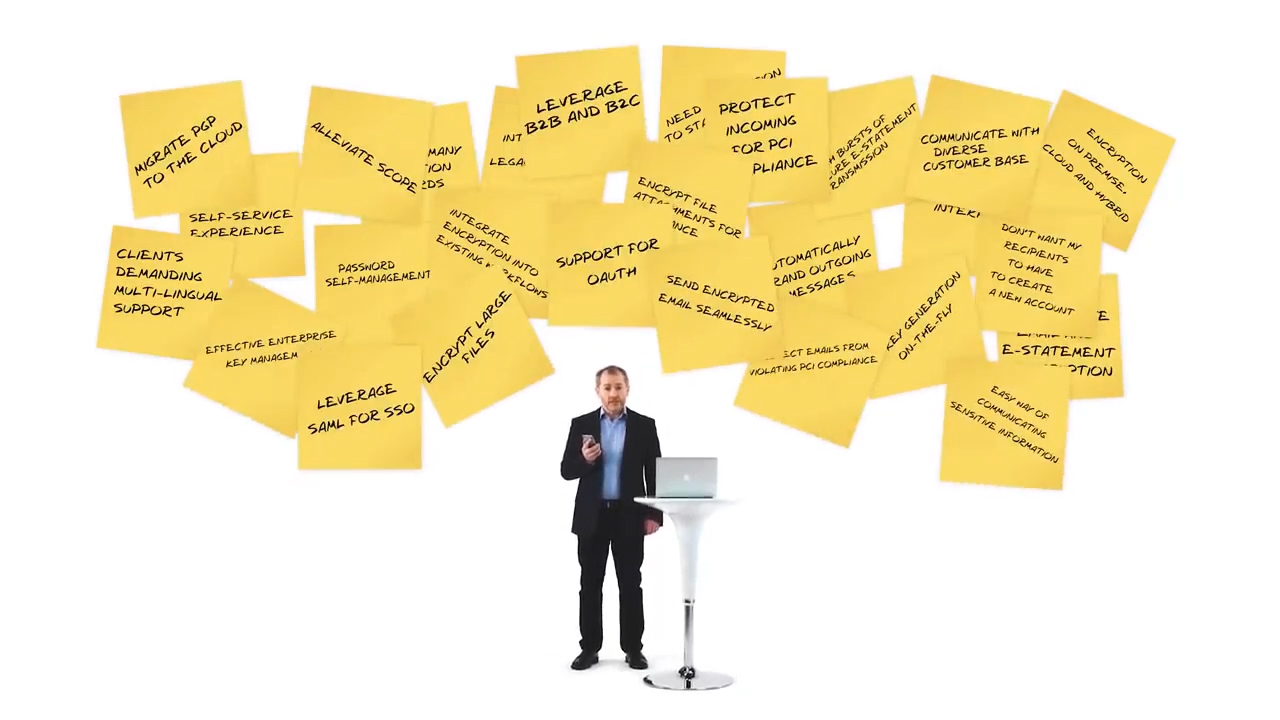
Echoworx Encryption Explained
Video: Echoworx understands the complicated task of securely communicating because, encryption is all we do. See how Echoworx makes sending and receiving encrypted email easy.

PGP Cloud Encryption – A Guide
eBook: Concise and practical guide explaining in detail your transition from PGP on-premises to a cloud-based solution.

10 Steps to Migrate PGP to the Cloud
Infographic: Echoworx offers seamless migration solutions for clients looking to transition their current PGP encryption systems from on-premises to the cloud. Explore the 10 steps to migrate your PGP to the cloud in this concise guide.

The Power of Email Encryption in Business
Webcast: Discover real success stories in this Echoworx webinar, sharing how businesses use email encryption to overcome challenges.

User Authentication: Understanding the Trends Shaping Email Encryption Access
Report: Discover the challenges and opportunities related to social logins and biometric authentication methods and learn how to set up user authentication without sacrificing ease of use.